Email Anytime
support@bizzmirth.com
Call Anytime
Email Anytime
Call Anytime

Azerbaijan is located at the crossroads of Eastern Europe and Western Asia in the Caucasus region. Its capital, Baku, is a major hub for culture, art, and architecture. The striking skyline, lovely parks, and bustling streets of Baku reflect Azerbaijan's history and development.
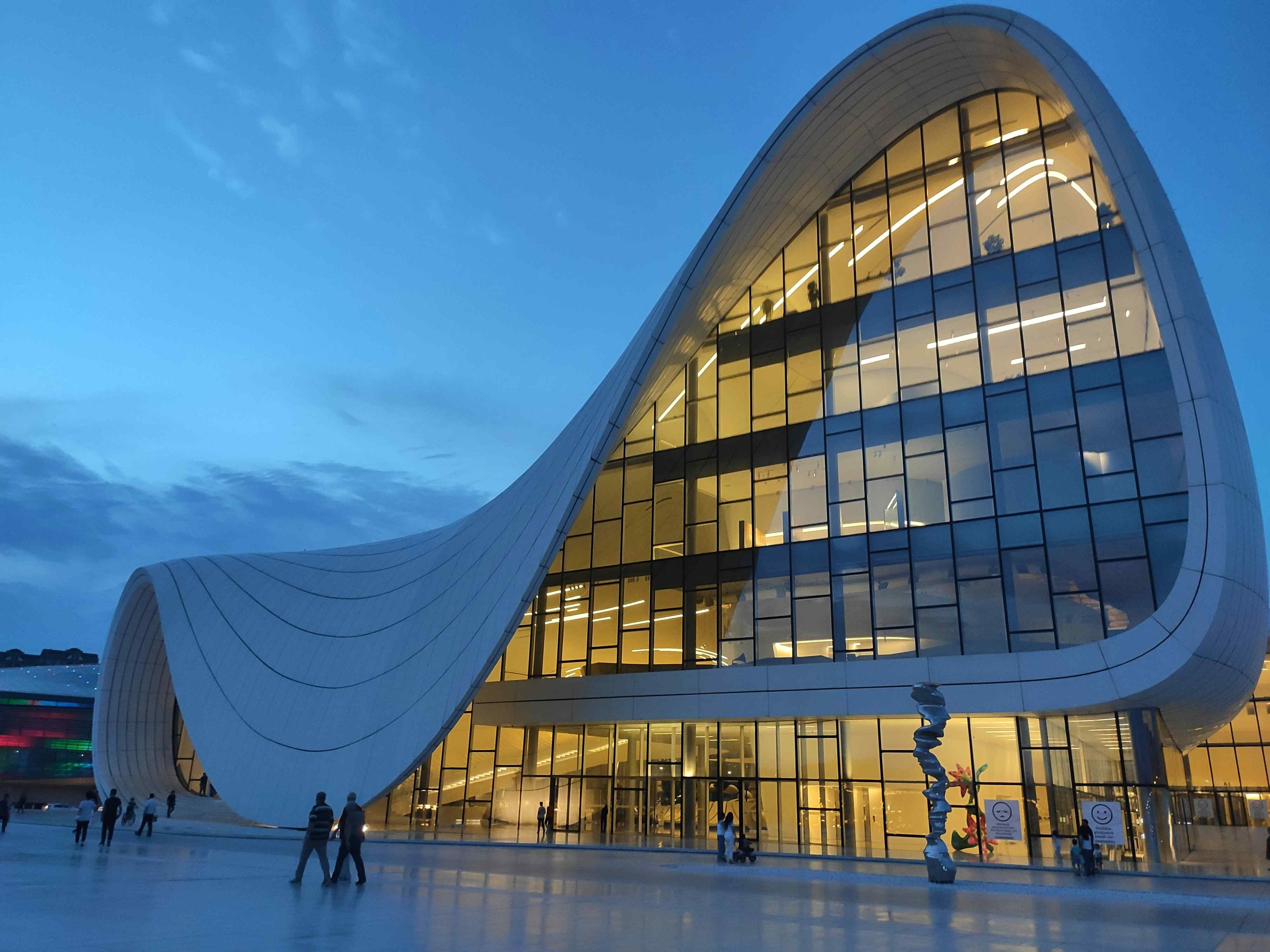
One of Baku’s iconic architectural landmarks is the Heydar Aliyev Center. It is a museum and cultural complex designed by the well-known architect Zaha Hadid. The centre hosts a wide range of exhibitions featuring modern art and Azerbaijani culture.
The Carpet Museum of Azerbaijan is a UNESCO Heritage site. The museum, design resembles a rolled-up carpet that displays a vast collection of carpets and rugs made with different weaving techniques from various regions and eras. Due to their artisanship and beauty, these carpets are valued worldwide.
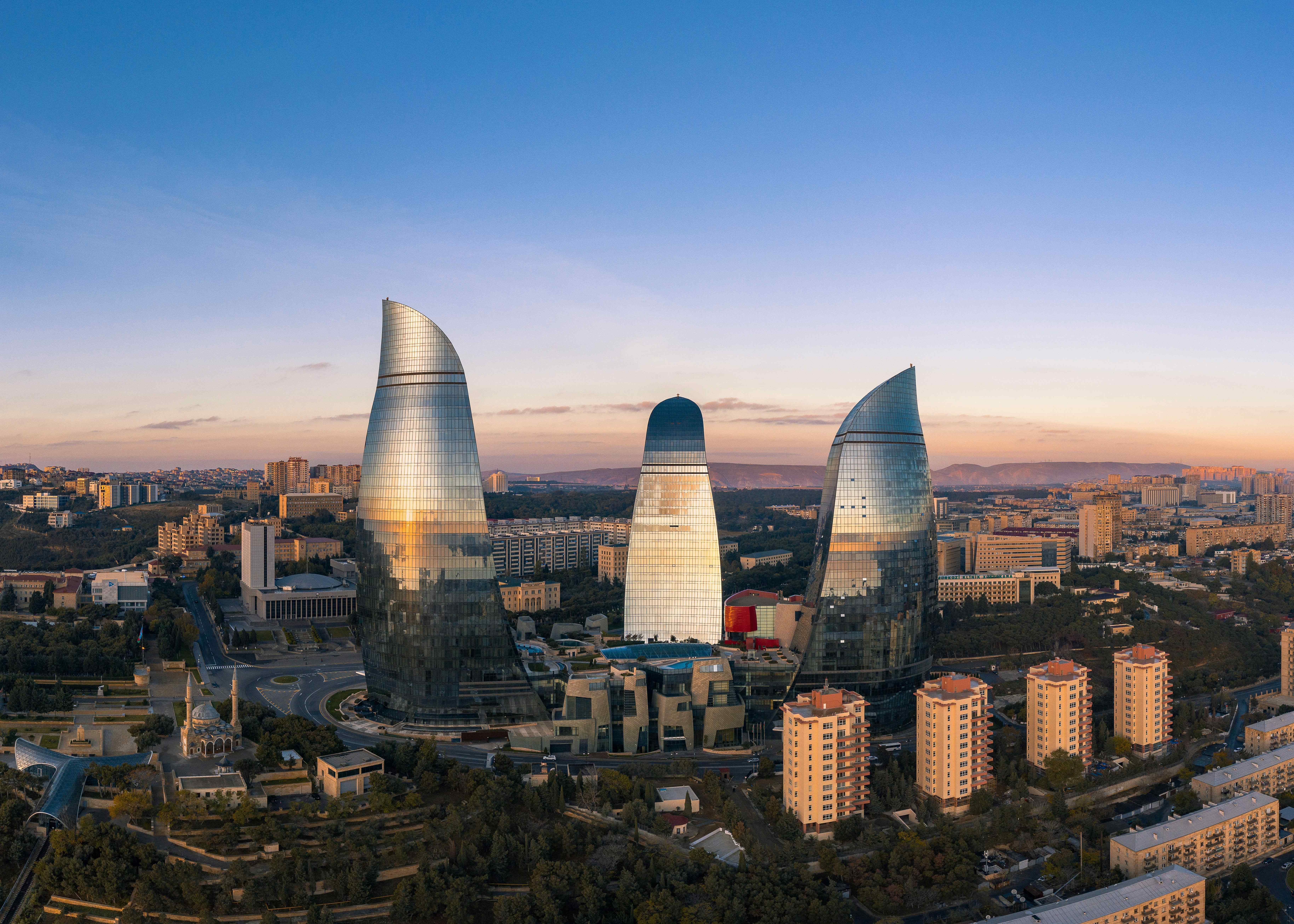
The Flame Towers of Baku are the tallest buildings in Azerbaijan. These trio skyscrapers have a unique flame-like shape symbolizing the nation’s ancient connection to fire and modern architecture. They are a major tourist attraction.
The Maiden Tower, also known as Giz Galasi, is an iconic landmark located in the old city of Baku. Built in the 12th century, it is a UNESCO World Heritage Site. The tower includes a museum that displays the city’s history and growth. It also offers a stunning view of Baku Boulevard, Baku Bay, and the Place of Isa Bek Hajinski.
The mud volcanoes of Azerbaijan, found near the Caspian Sea, are a unique geological feature. These natural wonders release gas and mud from deep within the Earth's crust, creating a landscape resembling the moon. Many visitors come to explore these unusual formations and enjoy the therapeutic mud baths, which are known to have healing properties for the skin and body.
The Ateshgah, Temple of Baku, also known as the Temple of Eternal Fire, was built in the 17th to 18th Century. The Temple reflects a blend of Zoroastrian, Hindu, and Sikh influences. The eternal flames burning within the temple symbolize divine purity, enlightenment, and truth.
Nearby the Yanar Dag or “Burning Mountain,” is a captivating natural wonder. A hillside that has been ablaze for centuries due to the presence of natural gas. These continuous flames fascinate visitors from around the world, bearing witness to Azerbaijan’s nickname as the “Land of Fire.”
Gobustan State Reserve is located in the southwest of Baku. The reserve has more than 6,000 rock carvings, dating back 20,000 years. These petroglyphs depict scenes of hunting, dancing, and daily life, as well as animals, solar symbols, and boats. Gobustan Rocks is a favourite place that tourists visit in Baku.
The Boyukdash Mountain is a part of the Gobustan Rock Art Cultural Landscape. It is a UNESCO World Heritage Site, which records the early human life of the Caucasus region. It is renowned for its prehistoric rock engravings, which are nearly 40,000 years old. They offer a vivid look into the region’s history from the Stone Age to the Middle Ages.
Azerbaijan is renowned for Caviar produced by high-quality sturgeons from the Caspian Sea. Several other species of sturgeon found in the Caspian Sea are the Beluga, Sevruga, and Osetra. This luxurious delicacy is highly sought after worldwide, contributing to Azerbaijan's thriving export industry.
Azerbaijan is a fascinating place where ancient traditions blend with modern innovation, which captivates a visitor with its unique charm, rich cultural heritage, and enduring spirit, which is a true reflection of its people.
| Country | Azerbaijan |
|---|---|
| Language | Azerbaijani. Turkish. |
| Currency | Azerbaijani Manat (AZN) |
| Population | 1.02 Crore |
| Area | 33,400 Square Miles |
| Time to Travel | April to June and September to October |